Automate social media content distribution with Google Sheets & Slack
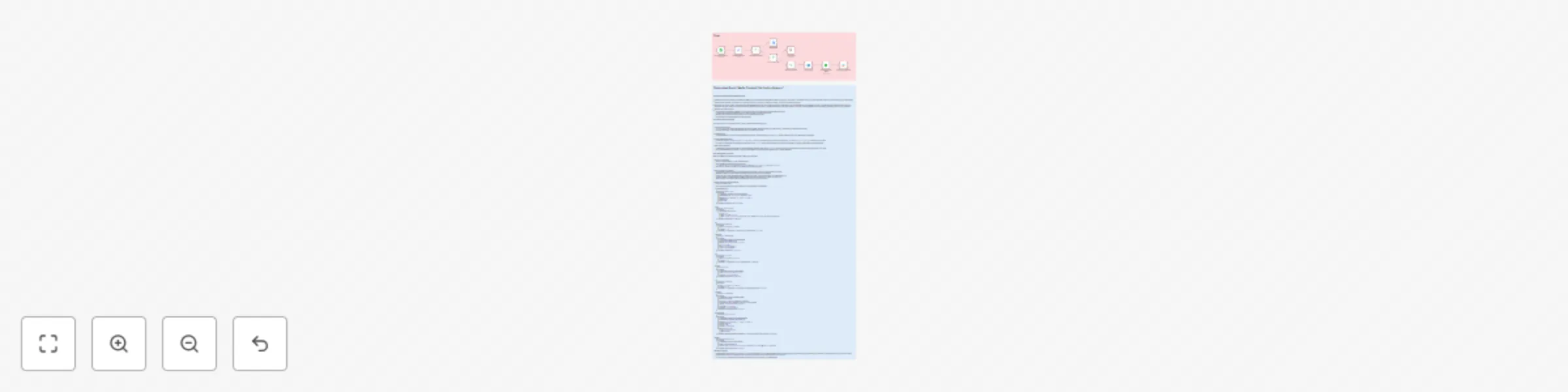
Workflow preview

$20/month : Unlimited workflows
2500 executions/month

THE #1 IN WEB SCRAPING
Scrape any website without limits
HOSTINGER  Early Deal
DISCOUNT 20% Try free
Early DealDISCOUNT 20%
Self-hosted n8n
Unlimited workflows - from $4.99/mo

#1 hub for scraping, AI & automation
6000+ actors - $5 credits/mo
Important notice
This workflow is provided as-is. Please review and test before using in production.
Overview
Okay, here are the "How It Works" and "Setup Steps" for your "Automated Social Media Content Distribution System," presented clearly in Markdown.
How It Works (Workflow Stages) ⚙️
This system transforms manual, repetitive tasks into a smooth, automated content distribution pipeline:
Content Submission & Trigger:
- You add a new row to your designated Google Sheet with all the content details (Title, URL, Short_Description, Image_URL, Hashtags, and boolean flags for which platforms to post to).
- The Google Sheets Trigger node immediately detects this new entry, initiating the workflow.
Content Preparation:
- The Set node takes the raw data from your Google Sheet and formats it into a cohesive text string (
social_media_text_core) that is suitable for posting across different social media platforms.
- The Set node takes the raw data from your Google Sheet and formats it into a cohesive text string (
Conditional Social Media Posting:
- A series of If nodes (
Check Facebook Post,Check Twitter Post,Check LinkedIn Post) sequentially check your preferences (based on thePost_to_Facebook,Post_to_Twitter,Post_to_LinkedIncolumns in your sheet). - If a platform is marked
TRUE, the corresponding social media node (Facebook,Twitter,LinkedIn) is activated to publish your content. IfFALSE, that platform is skipped, and the workflow moves to the next check.
- A series of If nodes (
Status Update & Notification:
- After attempting to post to all selected platforms, the Google Sheets (Update) node updates the
Publication_Statuscolumn of your original row to "Published." This prevents re-posting and provides a clear record. - Finally, the Slack (Notification) node sends an alert to your chosen Slack channel, confirming that the content has been successfully distributed.
- After attempting to post to all selected platforms, the Google Sheets (Update) node updates the
Setup Steps 🛠️ (Build It Yourself!)
Follow these detailed steps to build and implement this workflow in your n8n instance:
Prepare Your Google Sheet:
- Create a new Google Sheet (e.g., named "Social Media Posts").
- Set up the following exact column headers in the first row:
Title,URL,Short_Description,Image_URL,Hashtags,Post_to_Facebook,Post_to_Twitter,Post_to_LinkedIn,Publication_Status - Fill in a test row with some sample data, ensuring
TRUE/FALSEvalues for the posting flags.
Gather Your API Keys & Credentials:
- Google Sheets Credential: You'll need an OAuth2 credential for Google Sheets in n8n to allow read/write access to your sheet.
- Facebook Credential: An OAuth2 credential for Facebook with permissions to post to your selected Page.
- Twitter Credential: A Twitter API credential (API Key, API Secret, Access Token, Access Token Secret) from your Twitter Developer App.
- LinkedIn Credential: An OAuth2 credential for LinkedIn with permissions to share updates to your profile or organization page.
- Slack Credential: A Slack API token (Bot User OAuth Token) for sending messages to your channel.
Build the n8n Workflow Manually (10 Nodes):
- Start a new workflow in n8n.
- Drag and drop each of the following nodes onto the canvas and connect them as described below:
Google Sheets Trigger
- Name:
Google Sheets Trigger - Parameters:
- Authentication: Select your Google Sheets credential.
- Spreadsheet ID:
[Copy the ID from your Google Sheet's URL] - Sheet Name:
[Your Sheet Name, e.g., 'Sheet1' or 'Content'] - Watch For:
Rows - Events:
Added
- Connections: Output to
Set Content Parameters.
- Name:
Set
- Name:
Set Content Parameters - Parameters:
- Values to Set: Add a new value:
- Type:
String - Name:
social_media_text_core - Value:
={{ $json.Title }} - {{ $json.Short_Description }}\nRead more: {{ $json.URL }}\n{{ $json.Hashtags }}
- Type:
- Values to Set: Add a new value:
- Connections: Output to
Check Facebook Post.
- Name:
If
- Name:
Check Facebook Post - Parameters:
- Value 1:
={{ $json.Post_to_Facebook }} - Operation:
is true
- Value 1:
- Connections:
Trueoutput toPost Facebook Message.Falseoutput toCheck Twitter Post.
- Name:
Facebook
- Name:
Post Facebook Message - Parameters:
- Authentication: Select your Facebook credential.
- Page ID:
[YOUR_FACEBOOK_PAGE_ID] - Message:
={{ $json.social_media_text_core }} - Link:
={{ $json.URL }} - Picture:
={{ $json.Image_URL }} - Options:
Published(checked)
- Connections: Output to
Check Twitter Post.
- Name:
If
- Name:
Check Twitter Post - Parameters:
- Value 1:
={{ $json.Post_to_Twitter }} - Operation:
is true
- Value 1:
- Connections:
Trueoutput toCreate Tweet.Falseoutput toCheck LinkedIn Post.
- Name:
Twitter
- Name:
Create Tweet - Parameters:
- Authentication: Select your Twitter credential.
- Tweet:
={{ $json.social_media_text_core }} - Image URL:
={{ $json.Image_URL }}
- Connections: Output to
Check LinkedIn Post.
- Name:
If
- Name:
Check LinkedIn Post - Parameters:
- Value 1:
={{ $json.Post_to_LinkedIn }} - Operation:
is true
- Value 1:
- Connections:
Trueoutput toShare LinkedIn Update.Falseoutput toUpdate Publication Status.
- Name:
LinkedIn
- Name:
Share LinkedIn Update - Parameters:
- Authentication: Select your LinkedIn credential.
- Resource:
Share Update - Type:
OrganizationorPersonal(Choose as appropriate) - Organization ID:
[YOUR_LINKEDIN_ORG_ID](IfOrganizationtype selected) - Content:
={{ $json.social_media_text_core }} - Content URL:
={{ $json.URL }} - Image URL:
={{ $json.Image_URL }}
- Connections: Output to
Update Publication Status.
- Name:
Google Sheets
- Name:
Update Publication Status - Parameters:
- Authentication: Select your Google Sheets credential.
- Spreadsheet ID:
[YOUR_GOOGLE_SHEET_CONTENT_ID] - Sheet Name:
[Your Sheet Name, e.g., 'Sheet1' or 'Content'] - Operation:
Update Row - Key Column:
URL - Key Value:
={{ $json.URL }} - Values: Add a new value:
- Column:
Publication_Status - Value:
Published
- Column:
- Connections: Receives connections from both
Share LinkedIn Updateand theFalsebranch ofCheck LinkedIn Post.
- Name:
Slack
- Name:
Send Slack Notification - Parameters:
- Authentication: Select your Slack credential.
- Chat ID:
[YOUR_SLACK_CHANNEL_ID] - Text:
New content "{{ $json.Title }}" successfully published to social media! 🎉 Check: {{ $json.URL }}
- Connections: Output to
Update Publication Status.
- Name:
Final Steps & Activation:
- Test the Workflow: Before activating, manually add a new row to your Google Sheet or use n8n's "Execute Workflow" button (if available for triggers). Observe the flow through each node to ensure it behaves as expected and posts to your social media accounts.
- Activate Workflow: Once you are confident it's working correctly, turn the workflow "Active" in the top right corner of your n8n canvas.