Auto-create Instagram carousel posts from Canva with OpenAI and Blotato
Workflow preview


 Early Deal
DISCOUNT 20%

Overview
Auto-Create Instagram Carousel Posts from Canva (Webhook → AI Caption → Instagram)
Automatically turn Canva carousel exports into a fully published Instagram post with AI-generated captions. This workflow receives a webhook payload containing PNG slides (for example from Claude Cowork or a Canva automation), uploads the images, generates an optimized Instagram caption using AI, and publishes the carousel post via Blotato. It removes the manual work of downloading slides, writing captions, and posting to Instagram.
What this template does
When triggered by a webhook, this workflow: Receives a payload containing carousel slide images Splits the slides into individual items Uploads each image to a media host Aggregates all images into a carousel Uses AI to generate an Instagram caption with hashtags Publishes the post to Instagram via Blotato This allows you to go from Canva design → Instagram post automatically.
Example use cases
This workflow is useful for: Social media managers automating Instagram posting Content creators producing carousel posts at scale Agencies generating client posts automatically AI-assisted content pipelines Marketing automation systems Example automation pipeline: Claude → Canva → n8n → Instagram
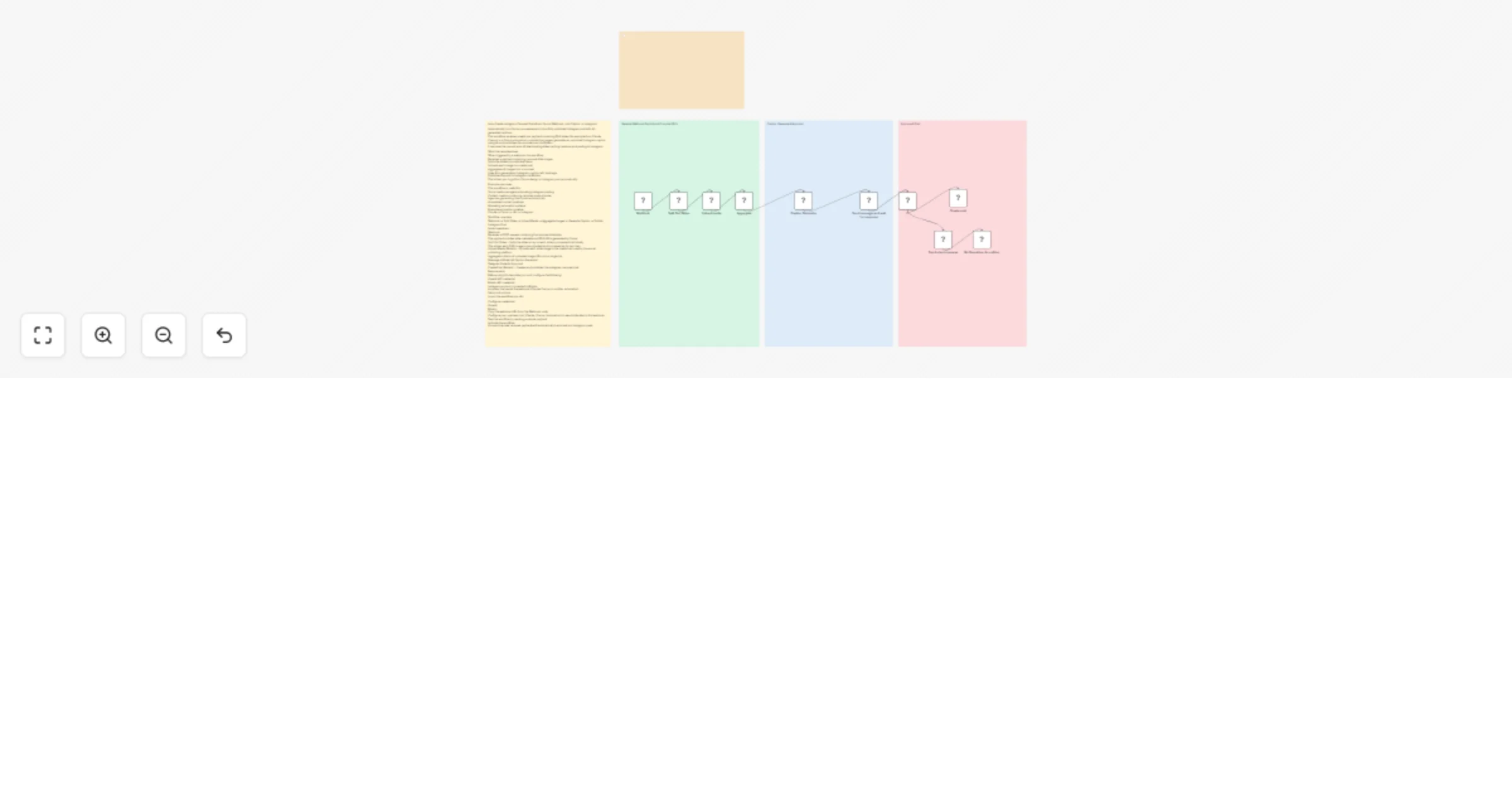
Workflow overview Webhook → Split Slides → Upload Media → Aggregate Images → Generate Caption → Publish Instagram Post Node breakdown Webhook Receives a POST request containing the carousel slide data. The payload includes slide metadata and PNG URLs generated by Canva. Split Out Slides - Splits the slides array so each slide is processed individually. This allows each PNG image to be uploaded and processed as its own item. Upload Media (Blotato) - Uploads each slide image to the media host used by the social publishing platform. Aggregate collects all uploaded image URLs into a single list. Message a Model (AI Caption Generator) Telegram Node for Approval Create Post (Blotato) - Creates and publishes the Instagram carousel post
Requirements
Before using this template you must configure the following: OpenAI API credential Blotato API credential Instagram account connected to Blotato A system that sends the webhook (Claude, Canva, or another automation)
Setup instructions
Import the workflow into n8n Configure credentials: OpenAI Blotato Copy the webhook URL from the Webhook node Configure your upstream tool (Claude / Canva / automation) to send slide data to this webhook Test the workflow by sending a sample payload Activate the workflow Once active, new carousel payloads will automatically be turned into Instagram posts
Customization ideas
You can easily extend this workflow by: Adding Telegram approval before posting Posting to TikTok, LinkedIn, or Facebook Storing posts in Google Sheets or Notion Generating captions in different tones or languages Adding AI analysis of the slides to generate smarter captions