Block 1 - Receive Headers
- Type / Role
- n8n-nodes-base.webhook - webhook
- Config choices
- Version 1
This workflow is provided as-is. Please review and test before using in production.
This n8n workflow is designed to analyze email headers received via a webhook. The workflow splits into two main paths based on the presence of the received and authentication results headers. In t...
n8n-nodes-base.webhook, n8n-nodes-base.stickynote, n8n-nodes-base.code, n8n-nodes-base.respondtowebhook, n8n-nodes-base.itemlists, n8n-nodes-base.httprequest, n8n-nodes-base.set, n8n-nodes-base.switch
This workflow is cataloged by N8N Workflows and links back to its original n8n.io source page by n8n Team.
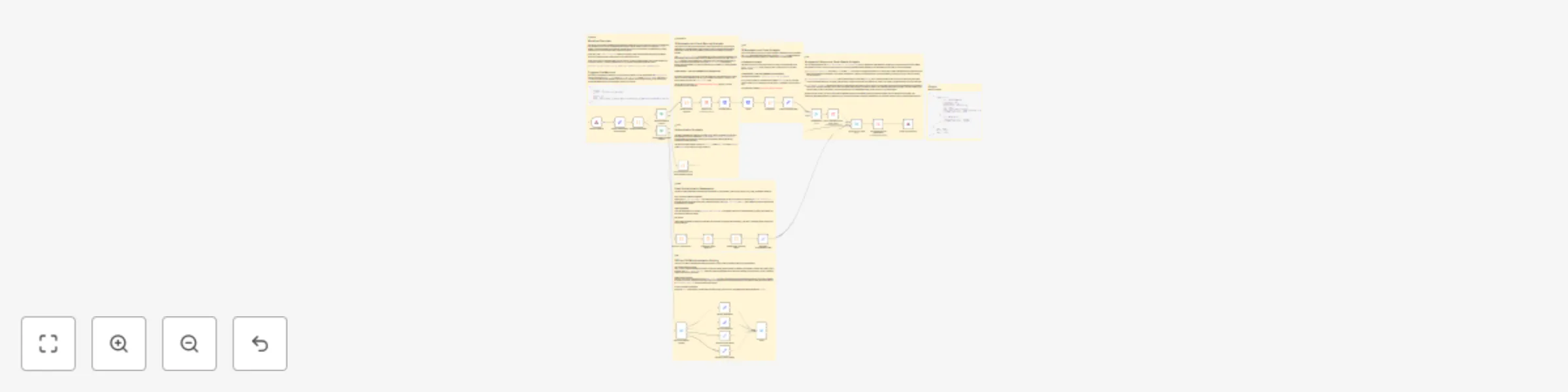
Original n8n.io sourceThis n8n workflow is designed to analyze email headers received via a webhook. The workflow splits into two main paths based on the presence of the received and authentication results headers.
In the first path, if received headers are present, the workflow extracts IP addresses from these headers and then queries the IP Quality Score API to gather information about the IP addresses, including fraud score, abuse history, organization, and more. Geolocation data is also obtained from the IP-API API. The workflow collects and aggregates this information for each IP address.
In the second path, if authentication-results headers are present, the workflow extracts SPF, DKIM, and DMARC authentication results. It then evaluates these results and sets fields accordingly (e.g., SPF pass/fail/neutral).
The paths merge their results, and the workflow responds to the original webhook with the aggregated analysis, including IP information and authentication results.
Potential issues during setup include ensuring proper configuration of the webhook calls with header authentication, handling authentication and API keys for the IP Quality Score API, and addressing any discrepancies or errors in the logic nodes, such as handling SPF, DKIM, and DMARC results correctly. Additionally, thorough testing with various email header formats is essential to ensure accurate analysis and response.
This catalog entry is organized from the workflow JSON. The node-level section below shows the executable blocks available for review before importing the template.
Showing the first 24 of 35 workflow blocks. Download the JSON for the full node graph.
| Workflow | Analyze email headers for IPs and spoofing |
|---|---|
| Complexity | advanced |
| Nodes | 35 |
| Categories | SecOps |
| Author | n8n Team |
| Published | 27 Nov 2023 |
Use the JSON export at /data/workflows/1991/1991.json as the source template for this automation.
Open n8n, import the downloaded JSON, and review each node before activating the workflow.
Replace placeholder credentials, API keys, webhook URLs, account IDs, and environment-specific values with your own settings.
Run the workflow manually or in a staging workspace, inspect node output, and confirm downstream systems receive the expected data.
Enable the workflow only after testing, then monitor executions, errors, and rate limits during the first production runs.
Review imported nodes carefully before activation. This catalog entry is intended to help you inspect the workflow structure, understand required services, and find related templates faster.
Node names, credentials, schedules, webhook paths, and external service limits may need adjustment for your workspace.
This n8n workflow is designed to analyze email headers received via a webhook. The workflow splits into two main paths based on the presence of the received and authentication results headers. In t...
Review the workflow JSON, configure any required credentials in n8n, and test the automation in a safe workspace before using it in production.
Yes. Use the block-by-block analysis and the downloadable JSON to inspect each node, then adjust credentials, prompts, schedules, filters, or destinations for your SecOps use case.