
Manage WhatsApp property maintenance tickets with WATI and Google Sheets

Workflow preview
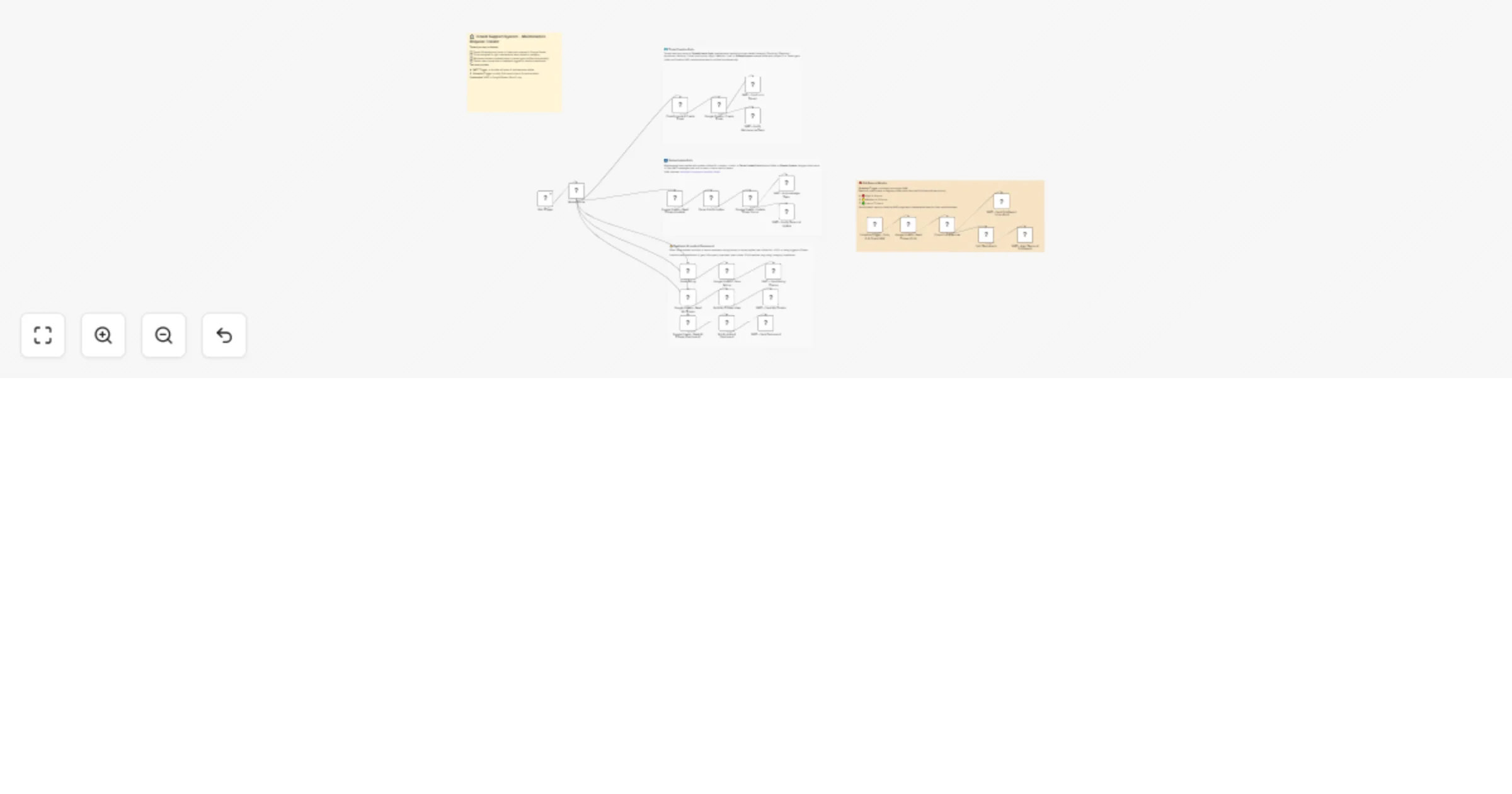
Workflow preview
100%
Manage WhatsApp property maintenance tickets with WATI and Google Sheets preview
Open on n8n.io

1. Workflow Overview

Empower your property management with a high efficiency automated support desk. This workflow manages the complete maintenance lifecycle—from initial issue classification and ticket creation to tea...

Best for

  • Support Chatbot automation workflows
  • AI Chatbot automation workflows
  • advanced n8n builders looking for reusable templates

Tools used

n8n-nodes-base.stickynote, n8n-nodes-base.switch, n8n-nodes-base.code, n8n-nodes-base.googlesheets, n8n-nodes-wati.wati, n8n-nodes-base.scheduletrigger, n8n-nodes-wati.watitrigger

Source and attribution

This workflow is cataloged by N8N Workflows and links back to its original n8n.io source page by Jitesh Dugar.

Original n8n.io source

1.1 Workflow description

Title
Manage WhatsApp property maintenance tickets with WATI and Google Sheets
Workflow name
Manage WhatsApp property maintenance tickets with WATI and Google Sheets

Empower your property management with a high-efficiency automated support desk. This workflow manages the complete maintenance lifecycle—from initial issue classification and ticket creation to team assignment, status updates, and tenant feedback—all centralized through WhatsApp using WATI and Google Sheets.


🎯 What This Workflow Does

Turns WhatsApp into an intelligent bridge between tenants, maintenance teams, and landlords:

  • 📝 Instant Ticket Creation Tenants can report any property issue via WhatsApp. The system automatically classifies the problem (Plumbing, Electrical, etc.) and assigns a priority level based on keywords.

  • 🚦 Smart Command Routing A master switch node handles incoming messages based on intent:

  • New Issue: Classifies and logs a new ticket.

  • update <id> <status>: Allows maintenance teams to update progress.

  • rate <id> <1-5>: Captures tenant satisfaction scores.

  • mystatus: Provides tenants a view of their active tickets.

  • dashboard: Gives landlords an overview of property health.

  • 🛠️ Maintenance Coordination Simultaneously notifies the tenant of their Ticket ID and pings the relevant maintenance team with full issue details and an SLA deadline.

  • 🚨 Proactive SLA Monitoring A daily morning trigger scans all open tickets for SLA breaches (e.g., High Priority overdue after 4 hours) and alerts the landlord and teams for immediate action.


✨ Key Features

  • Keyword Intelligence: Uses built-in logic to detect urgent issues like "leak" or "no power" and auto-flags them as High Priority.
  • Team Mapping: Automatically routes requests to specific teams (Plumbing, Electrical, Structural) based on the detected category.
  • Service Rating Loop: Automatically prompts tenants for a 1-5 star rating once a ticket is marked "resolved," logging feedback directly for the landlord.
  • Property Dashboard: Landlords receive a visual summary including total open tickets, average ratings, and category breakdowns.
  • Audit Trail: Every status change and team note is timestamped and saved in the lastUpdated column in Google Sheets.

💼 Perfect For

  • Property Managers: Handling requests for multiple buildings without a manual call center.
  • Landlords: Keeping a transparent, timestamped record of all repairs and contractor performance.
  • Facility Management Firms: Coordinating various specialized technical teams across different sites.
  • Co-living Spaces: Providing a modern, mobile-first support experience for young professional tenants.

🔧 What You'll Need

Required Integrations

  • WATI – To receive tenant issues and send status updates to all parties.
  • Google Sheets – To act as your centralized ticket database and landlord dashboard.

Optional Customizations

  • Photo Evidence: Add a node to allow tenants to upload photos of the damage to be saved in a Google Drive folder.
  • AI Summarization: Integrate OpenAI to summarize long tenant descriptions for quicker team review.

🚀 Quick Start

  1. Import Template – Copy the JSON and import it into your n8n instance.
  2. Set Credentials – Connect your WATI and Google Sheets accounts.
  3. Configure Teams – Edit the teamMap in the Classify Issue node to include your contractors' actual WhatsApp numbers.
  4. Configure Sheets – Ensure your Google Sheet has a Tickets tab with headers:

ticketId, phone, tenantName, issueText, category, priority, status, assignedTeam, teamPhone, createdAt, slaDueAt, rating, lastUpdated, notes

  1. Test the Loop – Send "My sink is leaking" to your WATI number, then use a team number to reply update &lt;ID&gt; in-progress.

📈 Expected Results

  • Zero manual routing: Issues reach the right technician without administrative intervention.
  • Improved transparency: Tenants are never "left in the dark" about the status of their repairs.
  • Data-driven management: Identify recurring structural issues and underperforming teams via the dashboard.
  • Accountability: SLA breach alerts ensure no emergency ticket is forgotten.

Ready to simplify your property management? Import this template and connect your Google Sheets to start tracking maintenance requests today!

1.2 Logical Blocks

This catalog entry is organized from the workflow JSON. The node-level section below shows the executable blocks available for review before importing the template.

2. Block-by-Block Analysis

Block 1 - 📋 Main Overview

Type / Role
n8n-nodes-base.stickyNote - stickyNote
Config choices
Version 1

Block 2 - Sticky – Ticket Creation

Type / Role
n8n-nodes-base.stickyNote - stickyNote
Config choices
Version 1

Block 3 - Sticky – Status Updates

Type / Role
n8n-nodes-base.stickyNote - stickyNote
Config choices
Version 1

Block 4 - Sticky – Feedback & Reports

Type / Role
n8n-nodes-base.stickyNote - stickyNote
Config choices
Version 1

Block 5 - Sticky – SLA Monitor

Type / Role
n8n-nodes-base.stickyNote - stickyNote
Config choices
Version 1

Block 6 - Master Router

Type / Role
n8n-nodes-base.switch - switch
Config choices
Version 3

Block 7 - Classify Issue & Create Ticket

Type / Role
n8n-nodes-base.code - code
Config choices
Version 2

Block 8 - Google Sheets – Create Ticket

Type / Role
n8n-nodes-base.googleSheets - googleSheets
Config choices
Version 4.5

Block 9 - WATI – Confirm to Tenant

Type / Role
n8n-nodes-wati.wati - wati
Config choices
Version 1

Block 10 - WATI – Notify Maintenance Team

Type / Role
n8n-nodes-wati.wati - wati
Config choices
Version 1

Block 11 - Google Sheets – Read Tickets (Update)

Type / Role
n8n-nodes-base.googleSheets - googleSheets
Config choices
Version 4.5

Block 12 - Parse Status Update

Type / Role
n8n-nodes-base.code - code
Config choices
Version 2

Block 13 - Google Sheets – Update Ticket Status

Type / Role
n8n-nodes-base.googleSheets - googleSheets
Config choices
Version 4.5

Block 14 - WATI – Acknowledge Team

Type / Role
n8n-nodes-wati.wati - wati
Config choices
Version 1

Block 15 - WATI – Notify Tenant of Update

Type / Role
n8n-nodes-wati.wati - wati
Config choices
Version 1

Block 16 - Parse Rating

Type / Role
n8n-nodes-base.code - code
Config choices
Version 2

Block 17 - Google Sheets – Save Rating

Type / Role
n8n-nodes-base.googleSheets - googleSheets
Config choices
Version 4.5

Block 18 - WATI – Send Rating Thanks

Type / Role
n8n-nodes-wati.wati - wati
Config choices
Version 1

Block 19 - Google Sheets – Read My Tickets

Type / Role
n8n-nodes-base.googleSheets - googleSheets
Config choices
Version 4.5

Block 20 - Build My Tickets View

Type / Role
n8n-nodes-base.code - code
Config choices
Version 2

Block 21 - WATI – Send My Tickets

Type / Role
n8n-nodes-wati.wati - wati
Config choices
Version 1

Block 22 - Google Sheets – Read All Tickets (Dashboard)

Type / Role
n8n-nodes-base.googleSheets - googleSheets
Config choices
Version 4.5

Block 23 - Build Landlord Dashboard

Type / Role
n8n-nodes-base.code - code
Config choices
Version 2

Block 24 - WATI – Send Dashboard

Type / Role
n8n-nodes-wati.wati - wati
Config choices
Version 1

Showing the first 24 of 31 workflow blocks. Download the JSON for the full node graph.

3. Summary Table

Workflow Manage WhatsApp property maintenance tickets with WATI and Google Sheets
Complexity advanced
Nodes 31
Categories Support Chatbot, AI Chatbot
Author Jitesh Dugar
Published 25 Feb 2026

4. Reproducing the Workflow from Scratch

  1. 1. Download the workflow JSON

    Use the JSON export at /data/workflows/13705/13705.json as the source template for this automation.

  2. 2. Import the template into n8n

    Open n8n, import the downloaded JSON, and review each node before activating the workflow.

  3. 3. Configure credentials and variables

    Replace placeholder credentials, API keys, webhook URLs, account IDs, and environment-specific values with your own settings.

  4. 4. Test with sample data

    Run the workflow manually or in a staging workspace, inspect node output, and confirm downstream systems receive the expected data.

  5. 5. Activate and monitor

    Enable the workflow only after testing, then monitor executions, errors, and rate limits during the first production runs.

5. General Notes & Resources

Review imported nodes carefully before activation. This catalog entry is intended to help you inspect the workflow structure, understand required services, and find related templates faster.

Node names, credentials, schedules, webhook paths, and external service limits may need adjustment for your workspace.

Frequently asked questions

What does Manage WhatsApp property maintenance tickets with WATI and Google Sheets do?

Empower your property management with a high efficiency automated support desk. This workflow manages the complete maintenance lifecycle—from initial issue classification and ticket creation to tea...

What do I need before importing this workflow?

Review the workflow JSON, configure any required credentials in n8n, and test the automation in a safe workspace before using it in production.

Can I customize this workflow?

Yes. Use the block-by-block analysis and the downloadable JSON to inspect each node, then adjust credentials, prompts, schedules, filters, or destinations for your Support Chatbot, AI Chatbot use case.



