Generate multi-variation FX concept clips with Seedance AI, Google Drive, Notion and Slack
Workflow preview


 Early Deal
DISCOUNT 20%

Overview
📘 Description
This workflow is an AI-driven FX concept generation pipeline that transforms a single VFX brief into multiple high-quality simulation-ready video concepts. It automates ideation, rendering, storage, and team review—bridging the gap between creative direction and simulation execution.
⚙️ Step-by-Step Flow
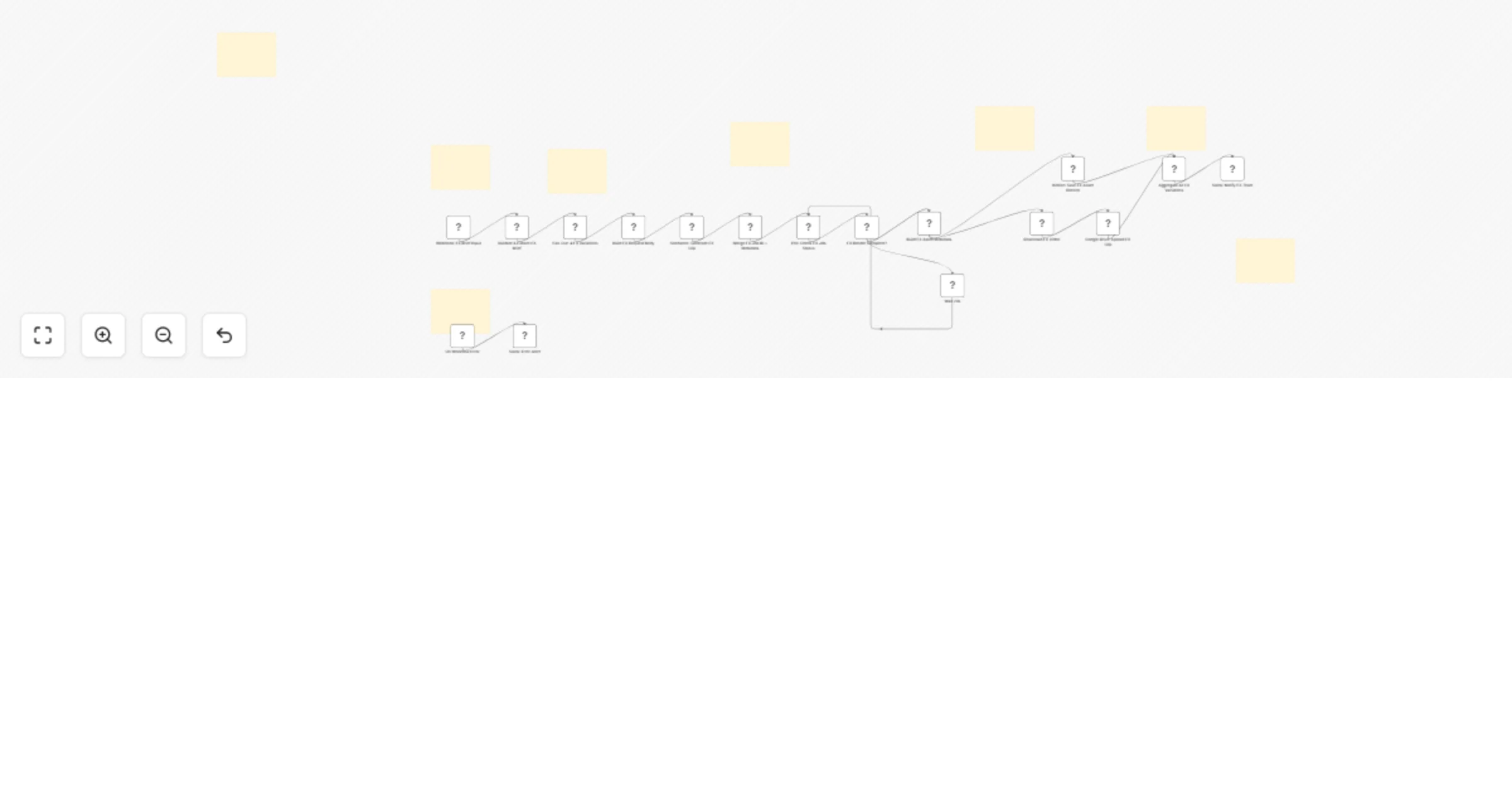
The process begins with a webhook trigger that serves as the FX brief intake layer, receiving a POST request containing the core FX brief, shot code, and optional parameters such as FX type, scale, intensity, and camera details. This input then moves through a validation and normalization stage, where required fields are verified and key attributes—such as FX type (fire, smoke, explosion), camera movement, frame range, FPS, scale, intensity, and speed—are standardized for consistency. Following this, the system performs prompt engineering and fans out the single brief into four creative variations: a primary reference (balanced), a high-intensity version (extreme simulation), a subtle version (controlled low-intensity FX), and an alternate camera variation offering a different perspective. Each variation is enriched with detailed cinematic instructions, including camera behavior, speed dynamics, and frame timing. At the core of the workflow, a dynamic generation mode determines whether to use image-to-video (if a reference image is provided) or text-to-video (if not), ensuring flexibility across both concepting and plate-matching use cases. Each variation is then submitted as an independent job to the Seedance API for AI rendering, returning unique job IDs for asynchronous tracking. A polling system manages execution by checking the job status every 20 seconds and continues until rendering is complete, handling each variation independently.
Once completed, the system structures detailed metadata for each asset, including the video URL, FX type, scale, intensity, camera movement, frame specifications, and relevant tags for tracking and review. The asset storage pipeline then downloads the generated videos, uploads them to Google Drive using a structured naming convention, and logs all associated metadata into a Notion database for organized tracking. An aggregation layer consolidates all variations into a single structured output, combining video links, Notion records, and technical metadata.
Finally, a Slack review dispatch sends a well-formatted message to the FX team, presenting all variations in one place with direct video previews, along with a technical breakdown covering scale, intensity, camera settings, and FPS, as well as Notion links for streamlined tracking and review.
🚨 Error Handling
• Global error trigger • Sends Slack alert with failure details • Ensures no lost jobs or silent failures
🧩 Prerequisites
• Seedance API (AI video generation) • Google Drive OAuth2 • Notion API • Slack OAuth2 • Webhook integration
💡 Key Benefits
✔ Rapid FX concept iteration (4 variations instantly) ✔ Structured prompt engineering for consistent outputs ✔ Automatic handling of camera, timing, and simulation context ✔ Integrated storage (Drive + Notion) ✔ Centralized team review via Slack ✔ Supports both concept art and simulation previsualization
👥 Perfect For
- VFX studios
- Simulation teams (Houdini, FX artists)
- Previsualization pipelines
- Creative direction teams
- AI-assisted film production systems