
Generate continuous PRD updates in Google Docs from Slack, Zoom, Jira, Zendesk, Figma and analytics using OpenAI

Workflow preview
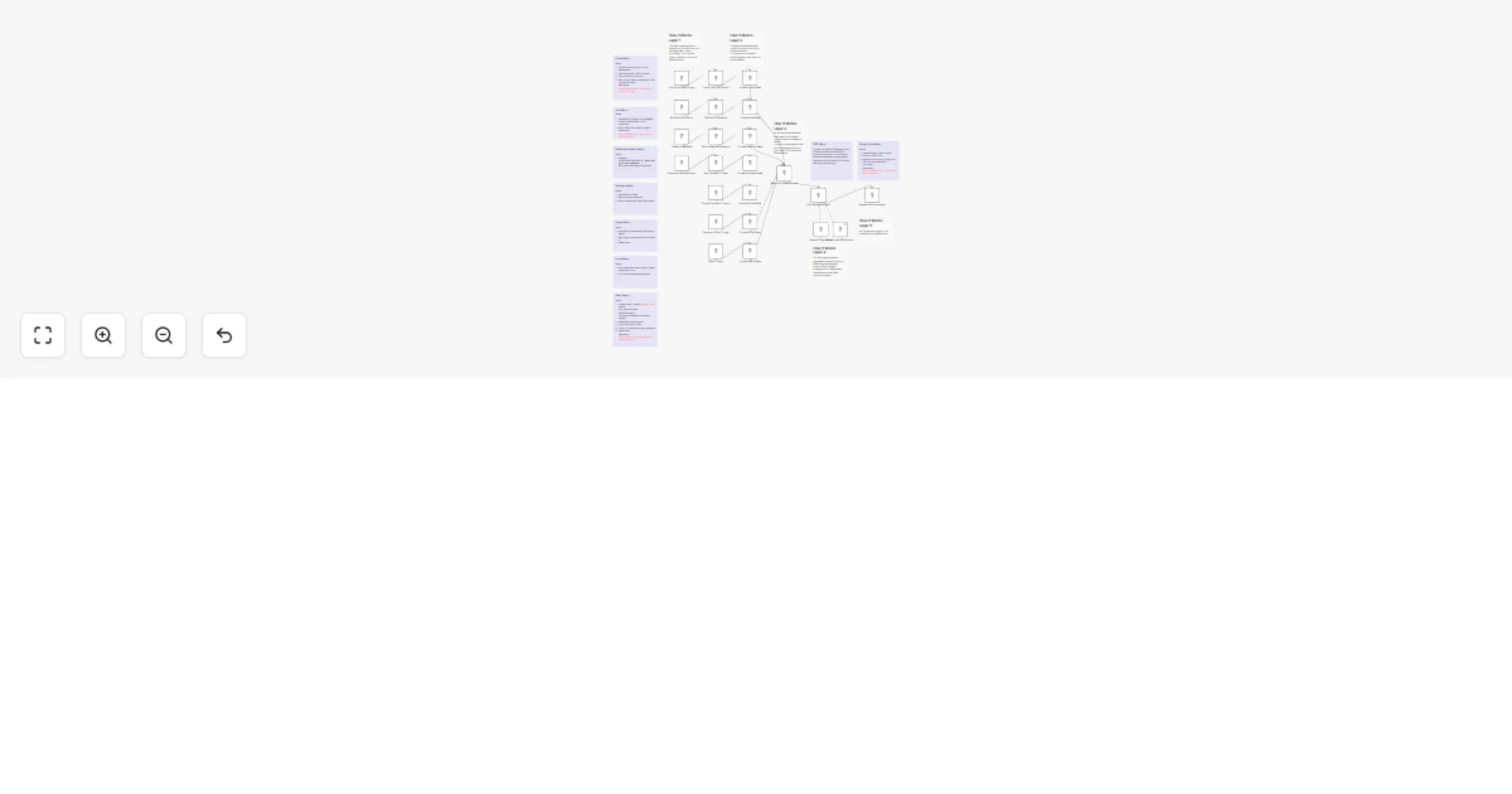
Workflow preview
100%
Generate continuous PRD updates in Google Docs from Slack, Zoom, Jira, Zendesk, Figma and analytics using OpenAI preview
Open on n8n.io

1. Workflow Overview

This workflow creates an automated Product Intelligence Engine that continuously collects signals from multiple product sources and generates structured PRD updates using AI. It ingests conversatio...

Best for

  • Market Research automation workflows
  • AI Summarization automation workflows
  • advanced n8n builders looking for reusable templates

Tools used

n8n-nodes-base.slacktrigger, n8n-nodes-base.formtrigger, n8n-nodes-base.httprequest, n8n-nodes-base.zoom, @n8n/n8n-nodes-langchain.openai, n8n-nodes-base.set, n8n-nodes-base.merge, @n8n/n8n-nodes-langchain.lmchatopenai

Source and attribution

This workflow is cataloged by N8N Workflows and links back to its original n8n.io source page by Haramal.

Original n8n.io source

1.1 Workflow description

Title
Generate continuous PRD updates in Google Docs from Slack, Zoom, Jira, Zendesk, Figma and analytics using OpenAI
Workflow name
Generate continuous PRD updates in Google Docs from Slack, Zoom, Jira, Zendesk, Figma and analytics using OpenAI

This workflow creates an automated Product Intelligence Engine that continuously collects signals from multiple product sources and generates structured PRD updates using AI. It ingests conversations, feedback, support tickets, analytics, and design comments, standardizes them, analyzes them with an AI PRD Agent, and automatically updates a Google Doc with structured PRD recommendations. Instead of manually reviewing Slack threads, Zoom calls, Jira comments, support tickets, and customer forms, this workflow centralizes everything into one intelligent PRD analysis system.

High-Level Architecture - The workflow runs in 4 layers:

1. Signal Ingestion Layer Captures product signals from: • Slack (channel messages + app mentions) • Customer Form submissions • Zoom recordings (scheduled) • Jira comments (scheduled) • Zendesk tickets (scheduled) • Figma comments (file updates) • Platform analytics via webhook • (Extendable to Salesforce / HubSpot)

2. Standardization Layer Each source passes through a Format Node that: • Extracts relevant text • Normalizes metadata • Adds timestamps • Labels source type All inputs are converted into a unified "product signal" object.

3. Intelligence Layer (AI PRD Agent) All signals are merged into a single stream using a Merge node. The PRD Analysis Agent then: • Extracts feature requests • Detects scope changes • Identifies risks and constraints • Evaluates priority signals • Detects target user shifts • Generates structured PRD updates

4. PRD Governance Layer - output in a Google Doc The structured AI output is appended to a Google Doc, which is fully traceable. This creates a living PRD that continuously evolves based on real product signals.

Required Credentials (And How To Add Them): You will need to configure the following credentials in n8n:

1. Slack Used for Slack Trigger. Steps: Create a Slack App at api.slack.com Enable: app_mentions:read channels:history chat:write (optional if you want replies) Install app to workspace Copy Bot OAuth Token In n8n → Create Slack API credential Paste token Reference - https://www.youtube.com/watch?v=qk5JH6ImK0I

2. Zoom (OAuth2) Used to fetch recordings. Steps: Create an OAuth App in Zoom Marketplace Add the Redirect URL from n8n Copy Client ID + Secret Add Zoom OAuth2 credential in n8n Connect account Reference - https://www.youtube.com/watch?v=BC6O_3LYgac

3. Google Docs (OAuth2) Used to update PRD document. Steps: Create Google Cloud Project Add Doc URl to n8n Replace the example Google Doc URL with your own PRD document. Reference - https://www.youtube.com/watch?v=iieEHvu93dc

4. Jira (Cloud) Steps: Generate API token from Atlassian Create Jira Software Cloud credential Enter: Email API token Domain Reference - https://www.youtube.com/watch?v=T4z7lzqSZDY

5. Zendesk Steps: Generate API token Add Zendesk credential Enter: Subdomain Email API token

6. Figma Steps: Generate a personal access token in Figma Add Figma credentials with the team ID Paste token

7. Platform Analytics Webhook Replace: <PLACEHOLDER_VALUE__your_analytics_api_endpoint> With your real analytics endpoint. You can: • Send Mixpanel exports • Send Amplitude exports • Or POST custom JSON

What Makes This Powerful • Eliminates product signal silos • Creates AI-driven PRD governance • Ensures traceability of decisions • Enables continuous PRD evolution • Scales across teams

1.2 Logical Blocks

This catalog entry is organized from the workflow JSON. The node-level section below shows the executable blocks available for review before importing the template.

2. Block-by-Block Analysis

Block 1 - Slack Trigger

Type / Role
n8n-nodes-base.slackTrigger - slackTrigger
Config choices
Version 1

Block 2 - Customer Form Trigger

Type / Role
n8n-nodes-base.formTrigger - formTrigger
Config choices
Version 2.5

Block 3 - Fetch Platform Analytics

Type / Role
n8n-nodes-base.httpRequest - httpRequest
Config choices
Version 4.4

Block 4 - Get Zoom Recordings

Type / Role
n8n-nodes-base.zoom - zoom
Config choices
Version 1

Block 5 - Transcribe Zoom Audio

Type / Role
@n8n/n8n-nodes-langchain.openAi - openAi
Config choices
Version 2.1

Block 6 - Format Slack Data

Type / Role
n8n-nodes-base.set - set
Config choices
Version 3.4

Block 7 - Format Form Data

Type / Role
n8n-nodes-base.set - set
Config choices
Version 3.4

Block 8 - Format Zoom Data

Type / Role
n8n-nodes-base.set - set
Config choices
Version 3.4

Block 9 - Format Platform Data

Type / Role
n8n-nodes-base.set - set
Config choices
Version 3.4

Block 10 - Merge All Data Sources

Type / Role
n8n-nodes-base.merge - merge
Config choices
Version 3.2

Block 11 - OpenAI Chat Model

Type / Role
@n8n/n8n-nodes-langchain.lmChatOpenAi - lmChatOpenAi
Config choices
Version 1.3

Block 12 - Structured PRD Output

Type / Role
@n8n/n8n-nodes-langchain.outputParserStructured - outputParserStructured
Config choices
Version 1.3

Block 13 - Update PRD Document

Type / Role
n8n-nodes-base.googleDocs - googleDocs
Config choices
Version 2

Block 14 - Get Jira Comments

Type / Role
n8n-nodes-base.jira - jira
Config choices
Version 1

Block 15 - Figma Comment Trigger

Type / Role
n8n-nodes-base.figmaTrigger - figmaTrigger
Config choices
Version 1

Block 16 - Get Zendesk Tickets

Type / Role
n8n-nodes-base.zendesk - zendesk
Config choices
Version 1

Block 17 - Format Jira Data

Type / Role
n8n-nodes-base.set - set
Config choices
Version 3.4

Block 18 - Format Figma Data

Type / Role
n8n-nodes-base.set - set
Config choices
Version 3.4

Block 19 - Format Zendesk Data

Type / Role
n8n-nodes-base.set - set
Config choices
Version 3.4

Block 20 - Schedule Jira Fetch

Type / Role
n8n-nodes-base.scheduleTrigger - scheduleTrigger
Config choices
Version 1.2

Block 21 - Schedule Zendesk Fetch

Type / Role
n8n-nodes-base.scheduleTrigger - scheduleTrigger
Config choices
Version 1.2

Block 22 - Sticky Note

Type / Role
n8n-nodes-base.stickyNote - stickyNote
Config choices
Version 1

Block 23 - Sticky Note1

Type / Role
n8n-nodes-base.stickyNote - stickyNote
Config choices
Version 1

Block 24 - Sticky Note2

Type / Role
n8n-nodes-base.stickyNote - stickyNote
Config choices
Version 1

Showing the first 24 of 37 workflow blocks. Download the JSON for the full node graph.

3. Summary Table

Workflow Generate continuous PRD updates in Google Docs from Slack, Zoom, Jira, Zendesk, Figma and analytics using OpenAI
Complexity advanced
Nodes 37
Categories Market Research, AI Summarization
Author Haramal
Published 20 Feb 2026

4. Reproducing the Workflow from Scratch

  1. 1. Download the workflow JSON

    Use the JSON export at /data/workflows/13553/13553.json as the source template for this automation.

  2. 2. Import the template into n8n

    Open n8n, import the downloaded JSON, and review each node before activating the workflow.

  3. 3. Configure credentials and variables

    Replace placeholder credentials, API keys, webhook URLs, account IDs, and environment-specific values with your own settings.

  4. 4. Test with sample data

    Run the workflow manually or in a staging workspace, inspect node output, and confirm downstream systems receive the expected data.

  5. 5. Activate and monitor

    Enable the workflow only after testing, then monitor executions, errors, and rate limits during the first production runs.

5. General Notes & Resources

Review imported nodes carefully before activation. This catalog entry is intended to help you inspect the workflow structure, understand required services, and find related templates faster.

Node names, credentials, schedules, webhook paths, and external service limits may need adjustment for your workspace.

Frequently asked questions

What does Generate continuous PRD updates in Google Docs from Slack, Zoom, Jira, Zendesk, Figma and analytics using OpenAI do?

This workflow creates an automated Product Intelligence Engine that continuously collects signals from multiple product sources and generates structured PRD updates using AI. It ingests conversatio...

What do I need before importing this workflow?

Review the workflow JSON, configure any required credentials in n8n, and test the automation in a safe workspace before using it in production.

Can I customize this workflow?

Yes. Use the block-by-block analysis and the downloadable JSON to inspect each node, then adjust credentials, prompts, schedules, filters, or destinations for your Market Research, AI Summarization use case.



