Estimate 4D/5D construction costs from Revit BIM models with DDC CWICR
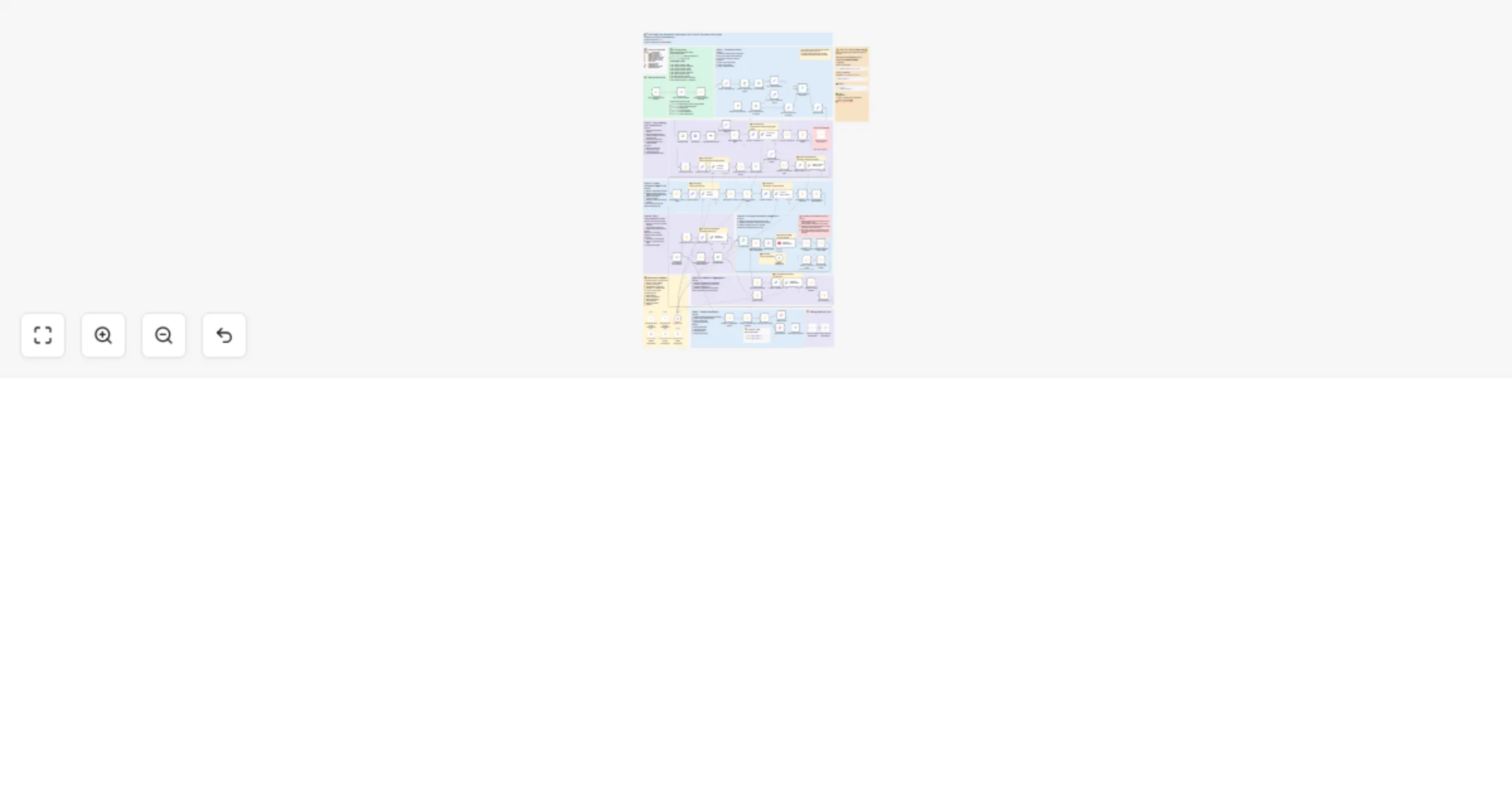
Workflow preview


 Early Deal
DISCOUNT 20%

Overview
A professional BIM-to-cost pipeline that extracts data from Revit models (2015–2026), classifies elements with AI, decomposes them into construction works, and generates detailed cost estimates using the open-source DDC CWICR database. Produces HTML reports and Excel exports with full resource breakdown.
Who's it for
- BIM Managers automating quantity takeoff and cost estimation
- Cost Engineers integrating 5D workflows into design pipelines
- Construction Companies standardizing estimates from Revit models
- General Contractors doing rapid budget checks during design
- MEP Engineers pricing mechanical/electrical/plumbing systems
- Developers building custom BIM-to-cost integrations
What it does
- Extracts BIM data from Revit model via converter (RvtExporter)
- Classifies building vs non-building elements using AI
- Detects project type (Residential/Commercial/Industrial)
- Generates construction phases and assigns element types
- Decomposes each BIM type into detailed work items
- Searches DDC CWICR vector database for matching rates
- Calculates costs with unit mapping and resource breakdown
- Validates work completeness and checks for gaps
- Generates professional HTML report + Excel file
How it works
┌─────────────────────────────────────────────────────────────────────────────┐
│ REVIT MODEL (.rvt) │
│ Revit 2015–2026 supported │
└─────────────────────────────────────────────────────────────────────────────┘
 ↓
┌─────────────────────────────────────────────────────────────────────────────┐
│ BLOCK 1: CONVERSION │
│ RvtExporter.exe → Excel with BIM element schedules │
└─────────────────────────────────────────────────────────────────────────────┘
 ↓
┌─────────────────────────────────────────────────────────────────────────────┐
│ BLOCK 2: DATA LOADING & CLASSIFICATION │
│ • Filter 3D View elements only │
│ • AI analyzes headers → aggregation rules (sum/mean/last) │
│ • AI classifies building vs non-building elements │
│ • Hard exclude: Grids, Levels, Annotations, Views, etc. │
└─────────────────────────────────────────────────────────────────────────────┘
 ↓
┌─────────────────────────────────────────────────────────────────────────────┐
│ BLOCK 3: PROJECT ANALYSIS (Stages 0–3) │
│ STAGE 0: Collect filtered BIM data │
│ STAGE 1: AI detects project type │
│ STAGE 2: AI generates construction phases │
│ STAGE 3: AI assigns element types to phases │
└─────────────────────────────────────────────────────────────────────────────┘
 ↓
┌─────────────────────────────────────────────────────────────────────────────┐
│ BLOCK 4: WORK DECOMPOSITION (Stage 4) │
│ Loop through each BIM type: │
│ • AI decomposes type into work items │
│ • Example: Window → Demolition, Installation, Sealing, Hardware │
│ • Prepares search queries for pricing │
└─────────────────────────────────────────────────────────────────────────────┘
 ↓
┌─────────────────────────────────────────────────────────────────────────────┐
│ BLOCK 5: PRICING & CALCULATION (Stages 5–7) │
│ STAGE 5: Vector search in Qdrant (text-embedding-3-large, 3072 dim) │
│ STAGE 6: Map BIM units → Rate units (m2 → 100 m2) │
│ STAGE 7: Calculate costs (Qty × Unit Price) │
└─────────────────────────────────────────────────────────────────────────────┘
 ↓
┌─────────────────────────────────────────────────────────────────────────────┐
│ BLOCK 6: VALIDATION & AGGREGATION │
│ STAGE 7.5: AI validates work completeness │
│ STAGE 8: Aggregate costs by phases │
└─────────────────────────────────────────────────────────────────────────────┘
 ↓
┌─────────────────────────────────────────────────────────────────────────────┐
│ BLOCK 7: REPORT GENERATION (Stage 9) │
│ • Professional HTML report with expandable rows │
│ • Excel-compatible XLS file │
│ • Auto-opens in browser │
└─────────────────────────────────────────────────────────────────────────────┘
Pipeline Stages
| Stage | Name | Description |
|---|---|---|
| 0 | Collect | Gather filtered BIM data |
| 1 | Project Type | AI detects Residential/Commercial/Industrial |
| 2 | Phases | AI generates construction phases |
| 3 | Assignment | AI assigns element types to phases |
| 4 | Decomposition | AI breaks types into work items |
| 5 | Vector Search | Query Qdrant for pricing rates |
| 6 | Unit Mapping | Convert BIM units to rate units |
| 7 | Calculation | Compute costs (Qty × Price) |
| 7.5 | Validation | AI checks completeness, finds gaps |
| 8 | Aggregation | Sum costs by phases |
| 9 | Reports | Generate HTML + XLS outputs |
Prerequisites
| Component | Requirement |
|---|---|
| n8n | v1.30+ with Execute Command node |
| Revit Exporter | RvtExporter.exe (provided separately) |
| OpenAI API | For embeddings + LLM tasks |
| Qdrant | Vector DB with DDC CWICR collections |
| DDC CWICR Data | GitHub |
| Windows | For Revit converter execution |
Setup
1. Configure File Paths
In Setup - Define file paths node:
{
 "path_to_converter": "C:\\path\\to\\RvtExporter.exe",
 "project_file": "C:\\path\\to\\your_project.rvt",
 "group_by": "Type Name",
 "language_code": "DE"
}
2. Select Language & Region
| Code | Language | City | Currency |
|---|---|---|---|
| AR | Arabic | Dubai | AED |
| ZH | Chinese | Shanghai | CNY |
| DE | German | Berlin | EUR |
| EN | English | Toronto | CAD |
| ES | Spanish | Barcelona | EUR |
| FR | French | Paris | EUR |
| HI | Hindi | Mumbai | INR |
| PT | Portuguese | São Paulo | BRL |
| RU | Russian | St. Petersburg | RUB |
3. Configure AI Model
Connect your preferred LLM in the model nodes:
| Provider | Model | Notes |
|---|---|---|
| OpenAI | GPT-4o | Default, recommended |
| Anthropic | Claude Opus 4 | High quality |
| Gemini 2.5 Pro | Good for large contexts | |
| xAI | Grok 4 | Fast inference |
| DeepSeek | DeepSeek Chat | Cost-effective |
| OpenRouter | Various | Multi-model access |
4. Set Up Qdrant
Ensure DDC CWICR collections are loaded:
DE_BERLIN_workitems_costs_resources_EMBEDDINGS_3072_DDC_CWICR
ENG_TORONTO_workitems_costs_resources_EMBEDDINGS_3072_DDC_CWICR
RU_STPETERSBURG_workitems_costs_resources_EMBEDDINGS_3072_DDC_CWICR
...
5. Configure OpenAI Credentials
Set up OpenAI API credential for:
- Embeddings (text-embedding-3-large, 3072 dimensions)
- LLM calls (if using OpenAI as primary model)
Features
| Feature | Description |
|---|---|
| 🏗️ Revit Integration | Direct extraction from .rvt files (2015–2026) |
| 🤖 Multi-LLM Support | OpenAI, Claude, Gemini, Grok, DeepSeek |
| 🔍 Smart Classification | AI separates building from non-building elements |
| 📊 Work Decomposition | Breaks BIM types into detailed work items |
| 🎯 Vector Search | Semantic matching via Qdrant + OpenAI embeddings |
| 🧮 Unit Mapping | Automatic conversion (m2 → 100 m2, pcs → sets) |
| ✅ AI Validation | Checks for missing works and duplications |
| 📈 Phase Aggregation | Costs grouped by construction phases |
| 📄 HTML Report | Professional report with quality indicators |
| 📑 Excel Export | XLS file with formulas and links |
| 🌍 9 Languages | Full localization + regional pricing |
Hard Exclude Categories
The pipeline automatically excludes non-physical elements:
- Levels, Grids, Reference Planes
- Annotations, Dimensions, Text Notes
- Tags, Views, Sheets, Schedules
- Legends, Viewports, Section Boxes
- Scope Boxes, Match Lines
- Model Groups, Detail Groups
- Entourage (RPC people, cars, plants)
Example Output
Input: Residential building Revit model (45 element types)
Processing:
- Project type detected: Residential Multi-Family
- Phases generated: Foundations → Structure → Envelope → MEP → Finishes
- Types assigned: 45 types → 5 phases
- Works decomposed: 45 types → 280 work items
- Rates found: 245/280 (87.5%)
Output Files:
project_2024-12-08.html → Professional HTML report
project_2024-12-08.xls → Excel with full breakdown
HTML Report Features:
- KPI summary (total cost, items, phases)
- Expandable phase sections
- Quality indicators (● green/yellow/red)
- Resource breakdown per work item
- Clickable rate codes
- Responsive design
Output Structure
📊 Cost Estimate: Residential Building
├── 📁 Phase 1: Foundations
│ ├── Foundation walls — 125.5 m3 — €12,450
│ ├── Concrete footings — 45.2 m3 — €8,340
│ └── Waterproofing — 280 m2 — €4,200
├── 📁 Phase 2: Structure
│ ├── Concrete columns — 18 pcs — €9,720
│ ├── Floor slabs — 450 m2 — €67,500
│ └── Stairs — 3 flights — €8,100
├── 📁 Phase 3: Envelope
│ ├── Exterior walls — 680 m2 — €95,200
│ ├── Windows — 42 pcs — €25,200
│ └── Roof system — 225 m2 — €33,750
└── 💰 TOTAL: €485,240
Notes & Tips
- First run: Conversion takes 1–3 minutes depending on model size
- Cached conversion: Subsequent runs skip conversion if Excel exists
- Testing mode: Limit to 10 types for faster debugging
- Rate accuracy: Depends on DDC CWICR coverage for your region
- Custom phases: AI adapts phases based on project type
- Missing rates: Flagged with red indicator in report
Extending the Pipeline
- Add custom rates: Extend Qdrant collection with your pricing
- Chain to PM tools: Connect to OpenProject, Monday, Asana
- Email reports: Add email node after report generation
- Cloud storage: Upload to Google Drive, OneDrive, S3
- Webhook trigger: Replace manual trigger for API access
Categories
AI · Data Transformation · Document Ops · Files & Storage
Tags
bim, revit, cost-estimation, 5d-bim, 4d-bim, qdrant, vector-search, openai, construction, quantity-takeoff, html-report, multilingual
Author
DataDrivenConstruction.io https://DataDrivenConstruction.io [email protected]
Consulting & Training
We help AEC firms implement:
- BIM-to-cost automation pipelines
- 4D/5D integration workflows
- Custom Revit data extractors
- AI-powered estimation systems
- Vector database deployment for construction data
Contact us to adapt this pipeline to your Revit templates and regional pricing.
Resources
- DDC CWICR Database: GitHub
- Qdrant Documentation: qdrant.tech/documentation
- OpenAI Embeddings: platform.openai.com
- n8n Execute Command: docs.n8n.io
⭐ Star us on GitHub! github.com/datadrivenconstruction/DDC-CWICR