Track Telegram expenses with GPT-4 and Google Sheets (self-learning categories)
Workflow preview


 Early Deal
DISCOUNT 20%

Overview
💸 HOW IT WORKS — AI TELEGRAM EXPENSE TRACKER
This workflow transforms natural Telegram messages into structured expenses using AI — without forms, manual typing, or complex inputs.
Simply send a message like:
Groceries 23€ yesterday
The workflow validates the sender, understands the intent, extracts structured data, and prepares the expense for approval before saving.
────────────────
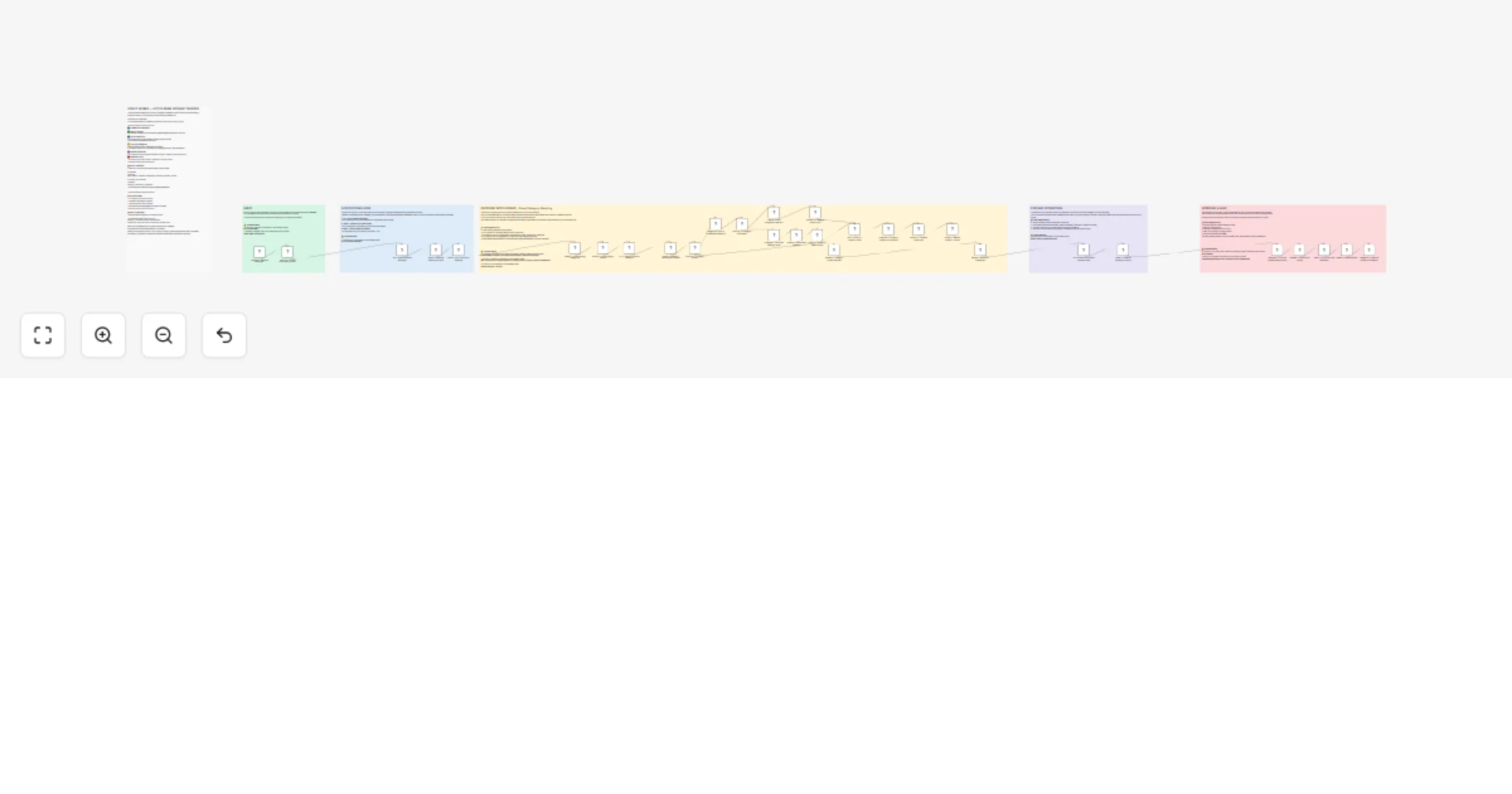
🔄 WORKFLOW OVERVIEW
🟩 1. Secure Input Layer Incoming Telegram messages are checked against a list of approved Chat IDs to ensure only authorized users can create expenses.
🟦 2. AI Expense Detection An AI layer analyzes the message and decides whether it represents a real financial transaction. Non-expense messages are safely ignored to avoid noise in your data.
🟨 3. Smart Category Intelligence Existing categories are loaded from Google Sheets and compared with the message content. If no suitable category exists, the workflow can suggest and learn new categories over time.
🟪 4. Structured Data Extraction AI converts natural language into structured fields:
date
amount
category
description
shared vs personal expense
Supports German and English input.
🟥 5. Human Approval & Storage Before saving, the user confirms the extracted result directly via Telegram. After approval, the expense is appended to Google Sheets automatically.
────────────────
📋 SETUP REQUIREMENTS
Before using this workflow, make sure the following components are ready:
1️⃣Telegram Bot Create a Telegram bot using BotFather and connect it to the Telegram Trigger node in n8n. Detailed setup instructions can be found here.
2️⃣LLM API Access An API Key for a Large Language Model (LLM) is required for:
expense detection
category matching
structured data extraction
Add your API credentials inside the AI node configuration.
3️⃣Google Sheets
Create two Google Sheets before importing the workflow.
EXPENSES Required columns: date, amount, category, description, common_expense, Person
EXPENSE_CATEGORIES Required columns: category, description, examples
The workflow reads existing data and appends new entries automatically.
────────────────
💡KEY FEATURES
• AI-powered expense detection from natural language • Self-learning category system • Human-in-the-loop approval step • Multi-language support (DE & EN) • Clean Google Sheets integration • Designed for real-life shared finance tracking
────────────────
👥MULTI-USER SUPPORT
Built for couples, roommates, or teams.
Add multiple Chat IDs in: Security — Allow Approved Chat IDs
Each expense is automatically tagged with the sender. Shared expenses are stored as true in the common_expense column, while personal expenses default to false unless shared spending is detected.
This allows easy downstream analysis, dashboards, or automation.